
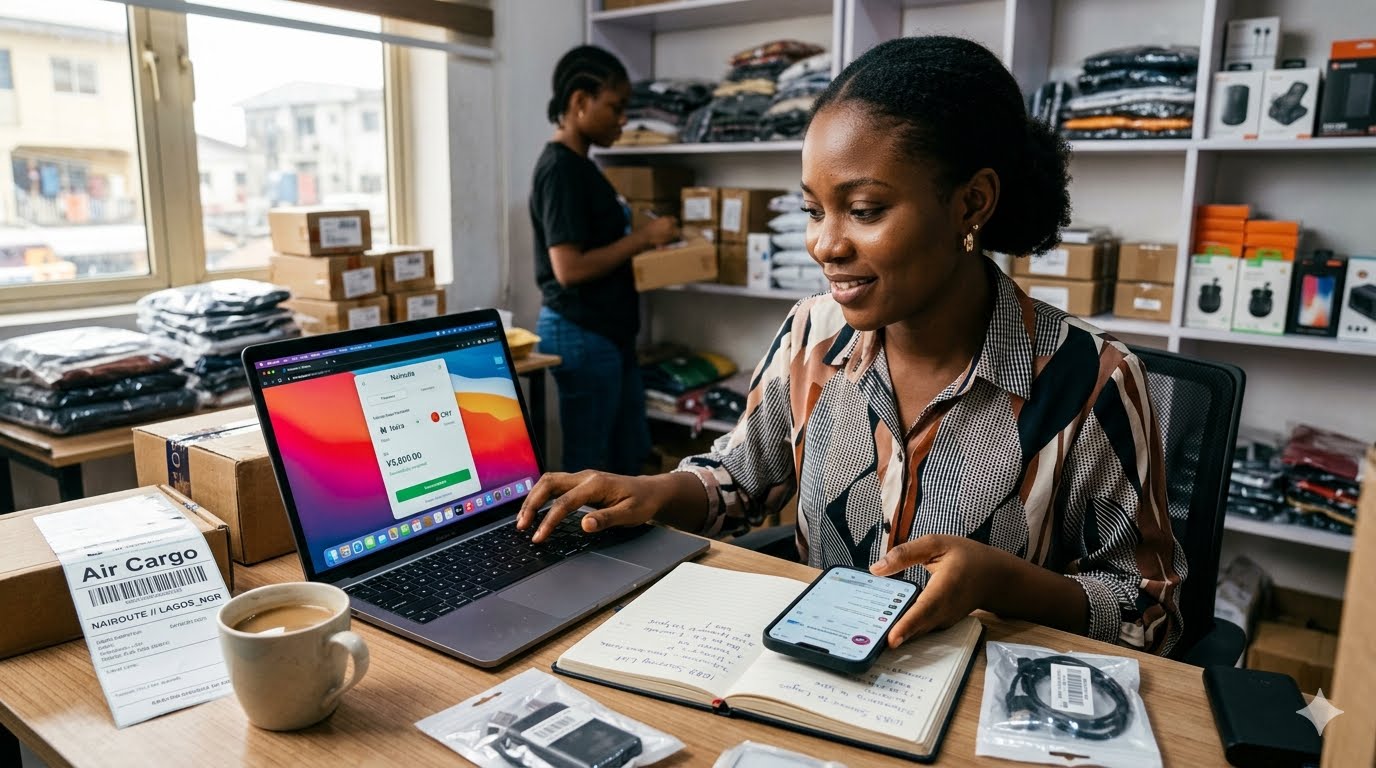
For decades, the phrase “importing from China” brought to mind seasoned, high-volume merchants making long-haul flights to Guangzhou, navigating massive physical wholesale markets, and dealing with manual shipping container logistics.
That era hasn't disappeared, but it is being aggressively challenged by a new wave of entrepreneurs.
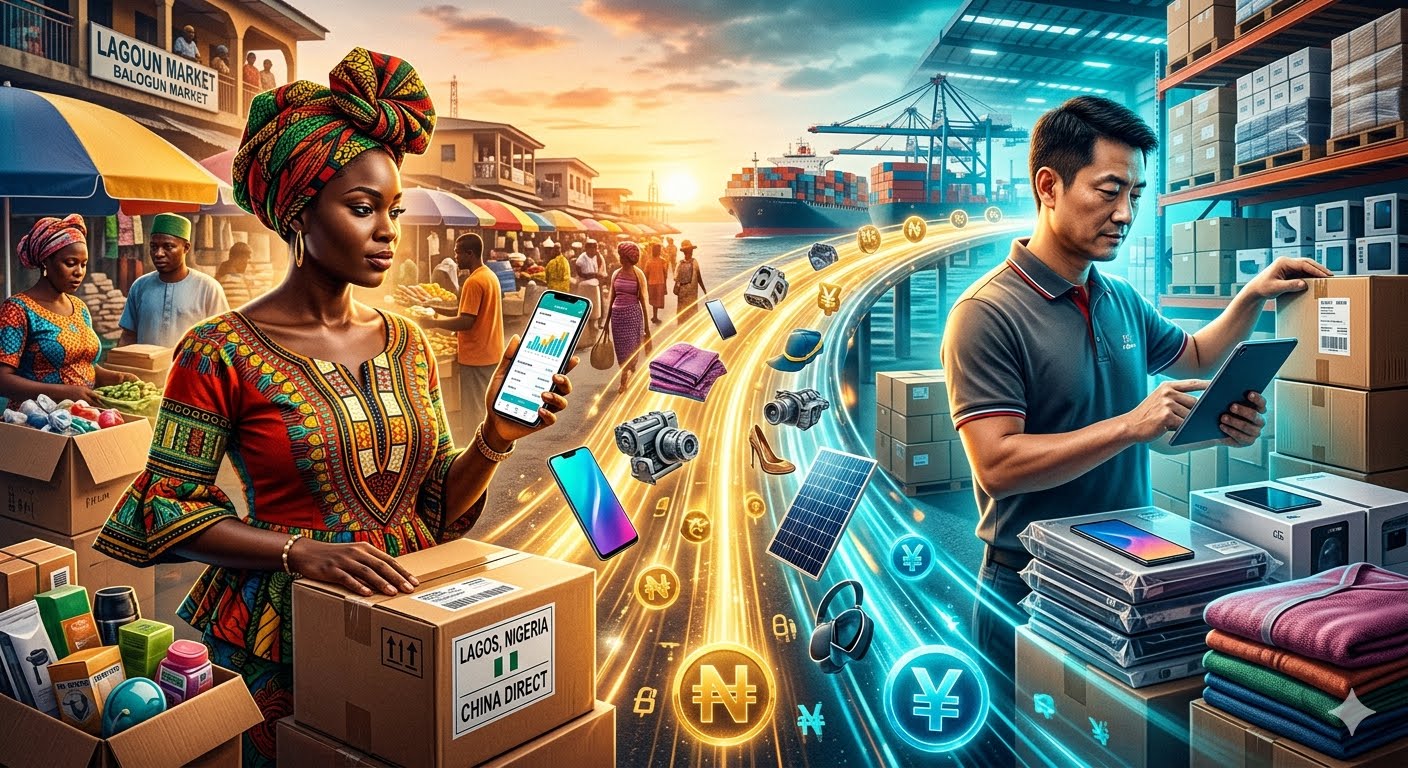
Armed with smartphones, high-speed internet, and an elite understanding of consumer trends, Nigeria’s Gen Z and Millennial business owners are rewriting the rules of cross-border commerce. They aren't renting expensive stalls in traditional markets; they are running multi-million Naira retail empires straight from their bedrooms, powered by a seamless digital bridge to Chinese factories.
1. From Flight Tickets to Screen Taps: The Democratization of Sourcing
The biggest shift in modern Africa-to-China trade is the elimination of physical distance. The new generation of Nigerian traders doesn't need a visa or an expensive international flight ticket to source premium inventory.
Instead, they have turned digital sourcing platforms into their personal playgrounds:
The Rise of 1688 and Taobao: While global audiences use Alibaba, savvy young Nigerian entrepreneurs plug directly into domestic Chinese marketplaces like 1688.com and Taobao. By using built-in browser translation tools, they buy goods at exact factory-floor Chinese rates—bypassing international export markups entirely.
Micro-Niche Curations: Instead of importing a generic container of mixed goods, these younger merchants specialize in hyper-focused lifestyle niches. They curate highly specific aesthetics—minimalist home decor, Korean-style streetwear, premium tech accessories, or viral beauty tools—and market them directly to an eager local audience via Instagram, TikTok, and WhatsApp Status.
2. Social Commerce: The New Digital Marketplace
Traditional trade relied heavily on physical foot traffic. Today's young importer relies on algorithms, content creation, and community building.
The process is incredibly fast: an item trends on global social media on Monday; a young Nigerian merchant sources it via a supplier on WeChat on Tuesday; they post pre-order videos on TikTok by Thursday, and the stock is completely sold out before the cargo plane even lands at Murtala Muhammed International Airport in Lagos.
By running low-overhead, lean digital storefronts, these entrepreneurs can offer high-quality, trendy products at prices that traditional physical retailers simply cannot compete with. They have turned agility into their primary competitive advantage.
3. Cracking the Code: The Procurement and Logistics Hack
Navigating a foreign marketplace presents unique challenges, particularly language barriers and localized payment requirements. Most Chinese domestic factories do not accept foreign bank cards or international wire transfers; they require direct local payments via Alipay or WeChat Pay.
To solve this, the new generation of traders relies on specialized digital procurement ecosystems:
Instant Yuan Settlements: Instead of waiting days for traditional bank letters of credit or paying exorbitant fees to parallel-market currency agents, merchants leverage agile fintech solutions like Nairoute. They can fund their accounts in Naira and instantly settle with Chinese agents or factory owners in Yuan (CNY) within minutes.
The Shipping Consolidation Network: Young traders rarely fill entire shipping containers on their own. Instead, they use specialized air-cargo consolidation services. A merchant can order just 20kg of premium goods, have it sent to a local shipping warehouse in Yiwu or Guangzhou, and get it delivered directly to their doorstep in Lagos, Abuja, or Port Harcourt via fast air freight within 5 to 7 days.
4. The Future is Borderless
Nigeria’s youth are proving that global commerce is no longer reserved for corporate conglomerates or old-school import moguls. By combining relentless digital hustle with ultra-fast financial tools, they have turned cross-border sourcing into a highly accessible, highly profitable career path.
As financial platforms continue to strip away the friction of currency conversion and international payments, the bridge between Nigerian hustle and Chinese manufacturing will only grow stronger. The modern marketplace isn't a physical location anymore—it’s an open tab on a smartphone, and Nigeria's next generation of business leaders is firmly in control.
Comments
Join the conversation. Replies appear nested under the original comment.
Loading comments…