
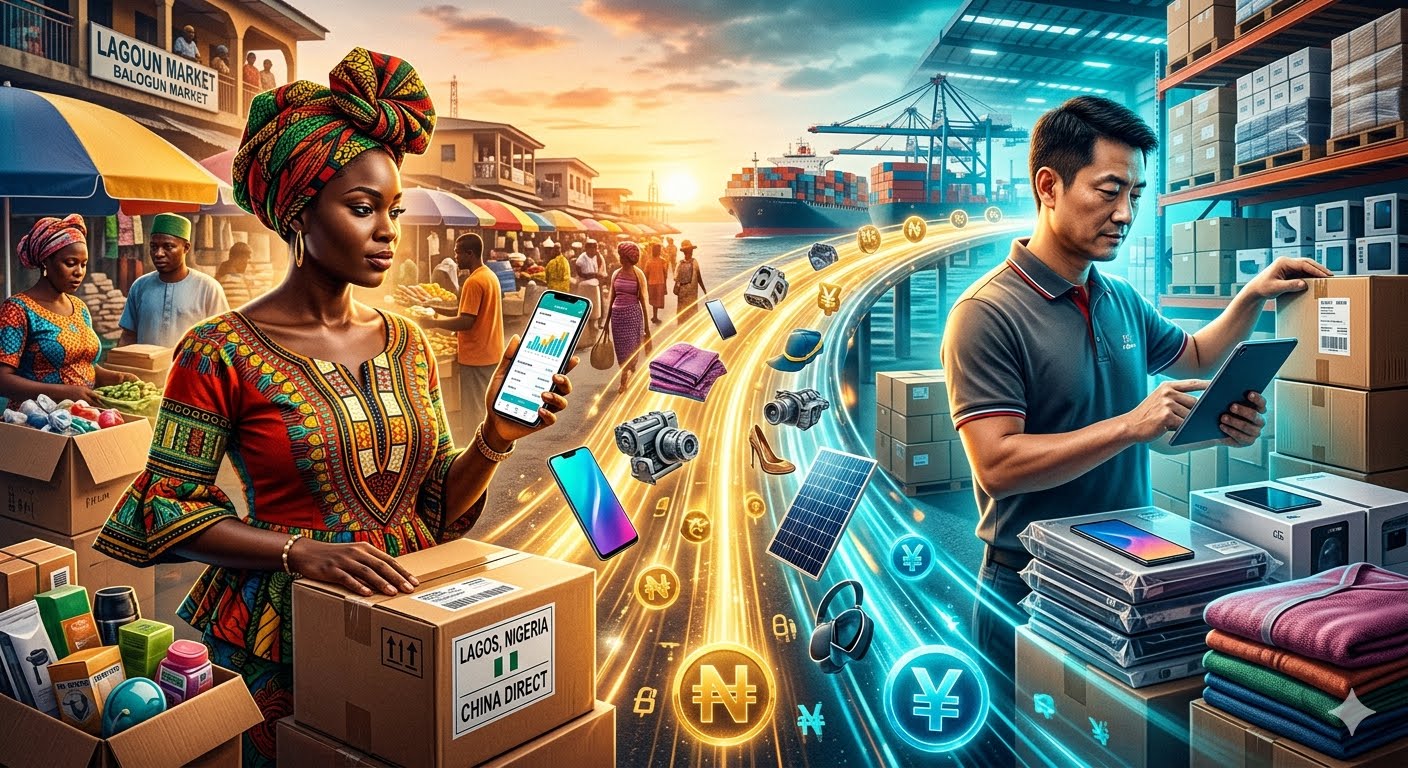
The narrative that China dictates terms to Africa is officially dead. In the high-stakes, multi-billion-dollar corridors of global retail, it is the Nigerian trader who holds the pen.
From the chaotic, high-energy open-air stalls of Alaba and Balogun markets in Lagos to the ultra-modern digital storefronts on Instagram, a quiet revolution is happening. Driven by hyper-resourceful merchants and digital-native entrepreneurs, the commercial bridge between Nigeria and China has evolved from a basic supply chain into a massive financial engine.
Nigerian traders aren’t just passive buyers anymore; they are the architects, critics, and engine rooms driving Chinese manufacturing innovation.
1. The Super-Consumers: Why the Nigerian Market Demands Chinese Goods
Let’s be real about the economics. For a long time, Western brands treated the African continent like an afterthought, offering outdated products at inflated prices that didn't fit local realities. China changed the game by offering unmatched manufacturing speed and flexibility.
But this isn't just about things being cheap. Nigerian consumers are incredibly brand-conscious, tech-savvy, and deeply critical of value for money. They want cutting-edge aesthetics—sleek smartphones, high-performance electronics, trendy fashion, and premium home finishes—but they want them at prices that make sense for a growing economy.
Chinese manufacturing is the only global hub capable of hitting that sweet spot:
The Customization Engine: If a Lagos fashion brand wants to drop a new streetwear line, a factory in Guangzhou can prototype, produce, and ship 5,000 units before a Western factory even replies to the initial email.
Tech Tailored for Africa: Brands like Transsion (Infinix, Tecno) built an absolute empire across West Africa by intentionally designing hardware features specifically for African consumers—like multi-SIM capability, long-lasting battery life optimized for local power grids, and camera sensors calibrated for darker skin tones.
2. The Rise of the Hustler Elite: How Merchants Navigate the Corridor
Doing business across borders isn't for the faint of heart. Navigating international logistics, fluctuating exchange rates, and complex custom regulations requires serious hustle and deep expertise.
The modern Nigerian trader is a master of logistics, balancing physical hustle with digital tools:
The Digital Sourcing Suite: Platforms like Alibaba, 1688, and Taobao have democratized global trade. A 23-year-old entrepreneur sitting in an office in Yaba can deal directly with factory owners in Shenzhen, negotiate terms via WeChat, and manage an entire supply chain without ever stepping onto a plane.
The On-the-Ground Network: For high-volume traders, having a trusted footprint in China is essential. This has led to the growth of specialized Nigerian logistics agencies based in hub cities like Guangzhou and Yiwu. These agencies act as quality control gatekeepers, consolidators, and shipping partners, ensuring that what was ordered on a screen matches exactly what is loaded into shipping containers.
3. Smashing the Bottlenecks: FinTech and the Future of Trade
Historically, the biggest barrier to this trade corridor has been the financial friction. Traditional banking systems are often slow, plagued by foreign exchange scarcity, and buried under mountain-loads of paperwork. Trying to move money from a local account in Lagos into a Chinese supplier’s bank account could take days, sometimes dragging down business velocity.
That old, slow world is fast disappearing. The rise of agile cross-border fintech platforms is completely rewiring how transactions happen.
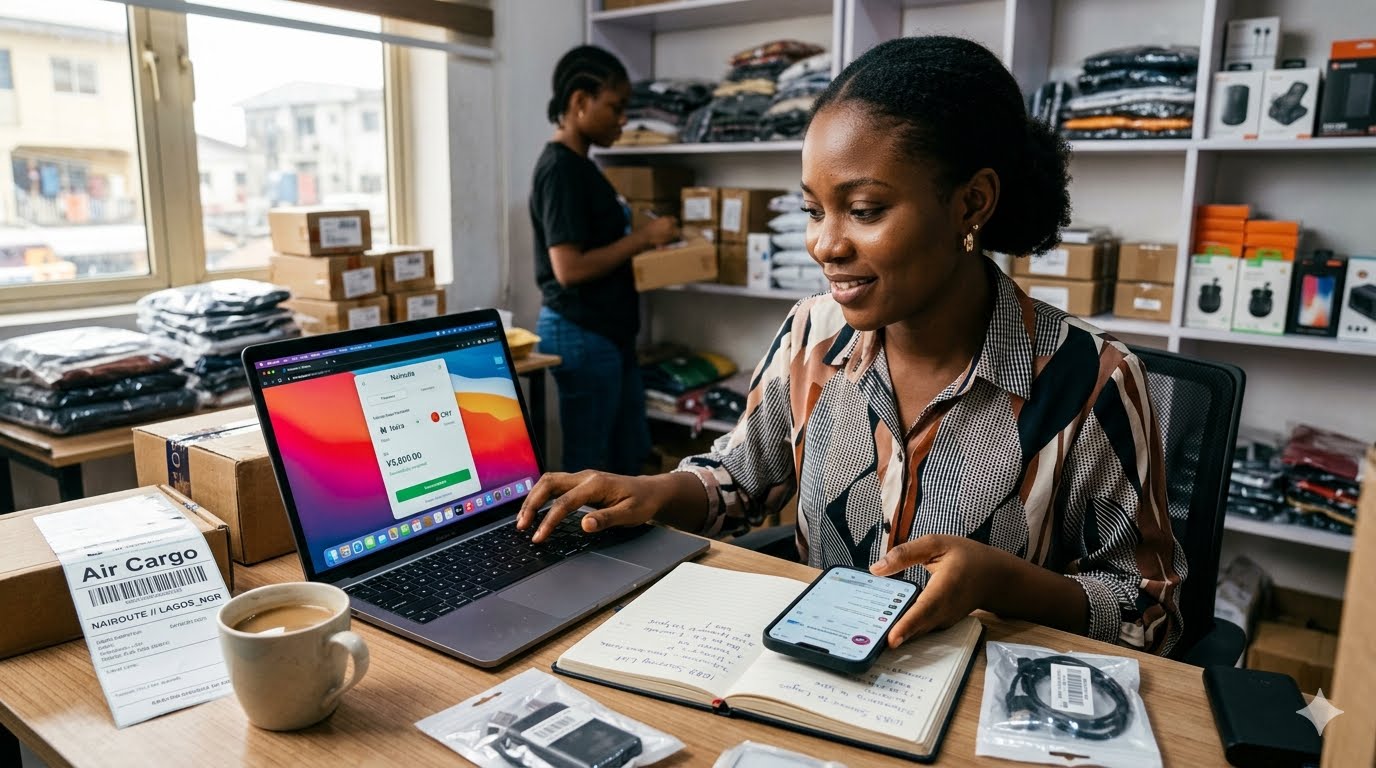
Instead of dealing with multiple middlemen or navigating informal parallel markets, modern traders are shifting to digital payment ecosystems that handle multi-currency conversions instantly. Merchants can now receive local funds, process instant conversions, and settle directly with Chinese vendors in Yuan (CNY) within minutes. This means inventory moves faster, capital turns over quicker, and trade limits can scale without friction.
4. The Verdict: A Partnership Built to Last
The commercial partnership between Nigerian traders and Chinese vendors is one of the most dynamic business relationships in the world today. It is fueled by China’s unmatched manufacturing muscle and Nigeria’s relentless entrepreneurial drive.
As digital tools lower the barrier to entry and next-generation financial engines remove payment friction, this trade corridor is only going to get faster, bigger, and more profitable. The future of global commerce isn't just happening in New York or London—it's being actively built every single day between the markets of Nigeria and the factories of China.
Comments
Join the conversation. Replies appear nested under the original comment.
Loading comments…